

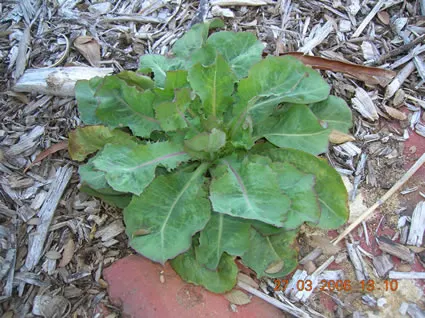
Wild Lettuce
Folk names: Poison Lettuce, Acrid Lettuce, Lettuce Opium, Sleepwort
| Family | Compositae/Asteraceae |
|---|---|
| Genus | Lactuca |
| Species | virosa |
| Part(s) used | Leaf |
Anodyne, analgesic, diuretic, expectorant, galactagogue, hypnotic, laxative, sedative, sudorific , toxic Antispasmodic, Digestive, Narcotic, Tonic. (what these mean)
Uses
The whole plant is rich in a milky sap that flows freely from any part of the cut plant. The sap contains lactucarium which is used in medicine for its anodyne, antispasmodic, digestive, diuretic, hypnotic, narcotic and sedative properties. Lactucarium has mild opium like effects, but without its tendency to cause digestive upsets, constipation and is it non addictive. It is taken internally in the treatment of insomnia, anxiety, neuroses, hyperactivity in children, dry coughs, whooping cough, rheumatic pain. This species is probably the richest supply of lactucarium. The plant also contains 'hyoscyamine', a powerful depressant of the parasympathetic nervous system. An infusion of the fresh or dried flowering plant can also be used. The plant should be used with caution, and never without the supervision of a skilled practitioner. Normal doses can cause drowsiness whilst excess causes restlessness and overdoses can cause death through cardiac paralysis. The sap can be applied externally for the treatment of warts.
Constituents
Lactucin, lactucic acid, lactucerin (lactucon ), wax, mannite, albumen, acids, lactucarium, hyoscyamine, lactucone, lactupicrin, alkaloids, triterpenes