

Licorice
Folk names: Lacris (Welsh), Lycorys, Reglisse (Welsh), Sweet Root.
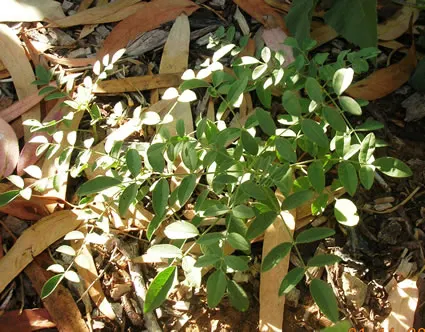
| Family | Leguminosae /Fabaceae |
|---|---|
| Genus | Glycyrrhiza |
| Species | glabra |
| Part(s) used | Dried roots |
Adrenal tonic, Alterative, alexipharmic, anti-inflammatory, anti-spasmodic, Diuretic, depurative, demulcent, emollient, expectorant,mild laxative, pectoral, tonic (what these mean)
Uses
Licorice has a very marked anti-inflammatory effect similar to cortisone so it is very good for skin conditions such as eczema and psoriasis. The glycyrrhizin yields glycrhetinic acid which has a similar structure to the hormones of the adrenal cortex so it is very useful for anyone suffering adrenal failure or exhaustion. It is also very useful for coughs, bronchitis and sore throats because of its anti-inflammatory properties and in colds, flu or catarrhal situations, as an expectorant. It is good as a laxative as it is mild (not cathartic) and it lowers stomach acid levels so it is useful for heartburn. It is also useful for peptic ulcers, gastritis and spasms of the large intestine. It has been used in herbal medicine to disguise and sweeten the taste of other herbal remedies which may be too disgusting to take. The oestrogenic compounds make it useful for hormonal treatments like menopause.
Majikal uses
For lust and fidelity . Used in the ritual cup in the handfasting ceremony . Used in Love sachets and carried to attract love.
Constituents
Glycosides (glycyrrhizin and glycyrrhizinic acid), glycyrrhetinic acid, saponins, flavonoids, isoflavonoids, bitter, volatile oil, coumarins, asparagine, oestrogenic substances, chalcones, sterols, starch (30%), sugars (up to 14%), amino acids, gums, wax, amines (asparagine, betaine, choline), resin, fat, calcium, and potassium salts, liquiritoside, isoliquiritoside, Quercetin, apigenin, genistein, Kaempferol .