

Hyssop
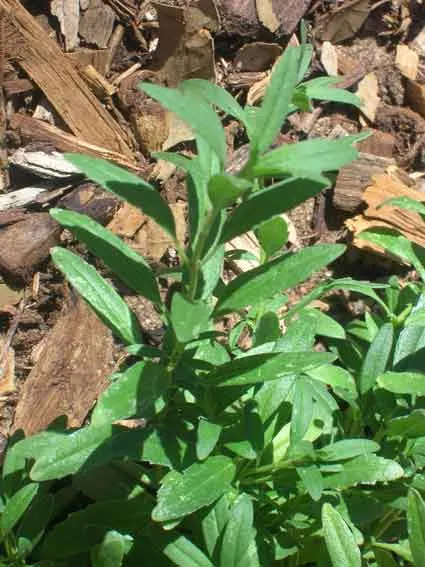
Folk names: Hyssop herb, Isopo, Ysopo, Yssop.
| Family | Labiatae / Lamiaceae |
|---|---|
| Genus | Hyssopus officinalis |
| Species | Hyssopus officinalis |
| Part(s) used | Leaves and flowers. |
Astringent, anti-spasmodic, anti-viral, anti-inflammatory, anti-catarrhal, expectorant, carminative, diaphoretic, sedative, stomachic. (what these mean)
Uses
Primarily used in chest complaints, and any respiratory disorders e.g. colds, flu, bronchitis. This is because of its anti-inflammatory , anti viral and expectorant properties. The essential oil (very expensive) is good for nervous exhaustion, grief and melancholy. A syrup of hyssop is great for coughs especially combined with mullein and licorice. Externally applied as a compress or poultice, hyssop is good for bruises, burns or wounds. As an anti-viral, hyssop inhibits the growth of the herpes simplex virus for both genital herpes and cold sores.
Majikal uses
Purification and protection.Used in baths or infuse and sprinkled on objects to purify them. Hang in the house to keep out negative energies .
Constituents
Volatile oil (up to 2% comprising mainly pinocamphone, isopinocamphone, pinenes, camphene, camphor, terpene, thujone and 50 other compounds), glycoside (hyssopin), tannin (up to 8%), flavonoids - diosmin, hesperidin., insolic acid, oleonolic acid, marrubiin (bitter), resin, gum, Caffeic acid derivatives including Rosmarinic acid. A polysaccharide