

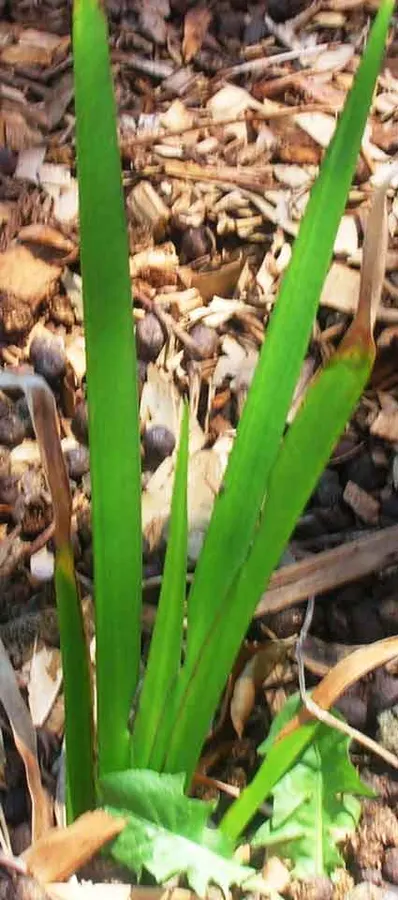
Calamus
Folk names: Gladdon,Myrtle flag,Myrtle grass, Myrtle sedge, Sweet cane, Sweet Flag,Sweet grass, Sweet root, Sweet Rush, Sweet sedge
| Family | Acoraceae |
|---|---|
| Genus | Acorus |
| Species | calamus |
| Part(s) used | The rhizome |
Antispasmodic, aromatic, carminative, demulcent, spasmolytic , Abortifacient; Anodyne; Anti-rheumatic; Aphrodisiac; Diaphoretic; Emmenagogue; Febrifuge; Hallucinogenic; Odontalgic; Sedative; Stimulant; Stomachic; Tonic; Vermifuge. (what these mean)
Uses
Traditionally it was used to assist with colic, It is said to have wonderfully tonic powers of stimulating and normalizing the appetite. In small doses it reduces stomach acidity whilst larger doses increase stomach secretions and it is recommended in the treatment of anorexia nervosa. However if the dose is too large it will cause nausea and vomiting. It can be used for dyspepsia, gastritis and gastric ulcers. It stimulates the appetite and helps ease exhaustion and weakness which is caused by digestive issues. Chewing the root alleviates toothache and and also kills the taste of tobacco. In China it has been used after someone has had a stroke. And in parts of Asia it is used to enhance memory.
Majikal uses
The root is kept in the kitchen to protect against poverty and hunger.Growing the plant brings good luck to the gardener and it is used to strengthen and bind spells.
Constituents
Mucilage - up to 3 %, bitter principle, glycoside, volatile oil ( acoragermacrone, acolamone, isoacolamone, pinene, azulene, methyleugenol, methylisoeugenol, camphor, galangin, asaraldehyde, ascoic acid), tannins.